Recognizing Your Emotional Triggers
Learn to identify what situations set off your emotions. We’ll explore how awareness of your triggers is the foundation for managing them effectively.
Stress management isn’t about eliminating pressure. It’s about changing how your body responds to it. We’ll explore five grounding techniques you can use right away.

Most of us think stress is something that happens to us. But here’s the thing — stress is actually your body’s response to a perceived threat. When you’re stuck in traffic, facing a deadline, or worried about something, your nervous system shifts into fight-or-flight mode.
The problem isn’t the stress itself. It’s that your nervous system doesn’t always know the difference between a real danger and an imagined one. So it stays activated. Your heart races, your shoulders tense, your mind spirals. And that’s where mindfulness comes in.
Mindfulness isn’t about clearing your mind or becoming zen. It’s about noticing what’s actually happening right now — without judgment. And when you notice what’s happening, you can actually do something about it.

This is probably the fastest technique you can do anywhere. When you’re stressed, your mind is usually in the future or past. This technique brings you back to the present moment in about 2-3 minutes.
Notice 5 things you can see. Actually look around — the color of a wall, a book on a shelf, the pattern on someone’s shirt.
Notice 4 things you can touch. Feel the texture of your shirt, the temperature of the air, the chair beneath you.
Notice 3 things you can hear. Don’t judge the sounds — just notice them. Traffic, a fan, someone talking nearby.
Notice 2 things you can smell. This might be subtle — coffee, fresh air, your shampoo.
Notice 1 thing you can taste. Gum, coffee, the taste of your mouth.
That’s it. You’ve just redirected your attention from “what could go wrong” to “what’s actually here right now.” Your nervous system notices this shift. Within a few minutes, your heart rate usually drops and you feel more grounded.

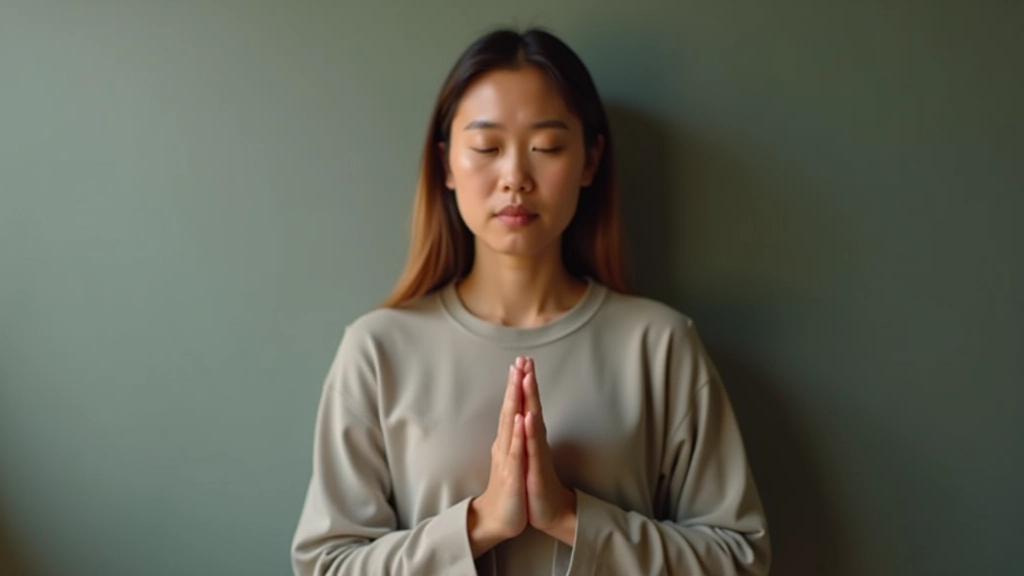
Box breathing is what military and emergency personnel use when they need to stay calm under pressure. It’s literally designed to activate your parasympathetic nervous system — the part that tells your body “we’re safe.”
Here’s how it works: You breathe in for a count of 4, hold for 4, breathe out for 4, hold for 4. That’s one cycle. Do this for about 2-3 minutes (that’s roughly 8-10 cycles). Don’t worry about being perfect with the counting — it’s the rhythm that matters.
Why this works: When you hold your breath, you’re creating a slight increase in carbon dioxide. This triggers your vagus nerve to activate the parasympathetic response. You’re literally telling your body through chemistry that you’re safe. It’s not placebo — it’s physiology.
You can do this sitting at your desk, in your car before a meeting, or lying in bed if you can’t sleep. Most people feel noticeably calmer within one cycle. After three minutes, you’ll notice your shoulders have dropped and your jaw isn’t clenched.
Stress doesn’t just happen in your head. You feel it in your shoulders, your chest, your stomach. A body scan meditation helps you notice where you’re holding tension — and that awareness is the first step to releasing it.
Start by lying down or sitting comfortably. Take a slow breath, then mentally scan from the top of your head all the way down to your toes. Don’t try to relax anything yet — just notice. Is your forehead tight? Are your hands clenched? Does your stomach feel tense?
This takes about 10-15 minutes. You’re not trying to fix anything. You’re just bringing awareness to your body. And here’s what’s interesting: the moment you notice tension without judgment, it often starts to ease on its own. Your nervous system responds to awareness.
Many people do a body scan before bed and find they sleep better. Others do one in the morning to set the tone for the day. The best time is whenever you notice you’re holding stress in your body.
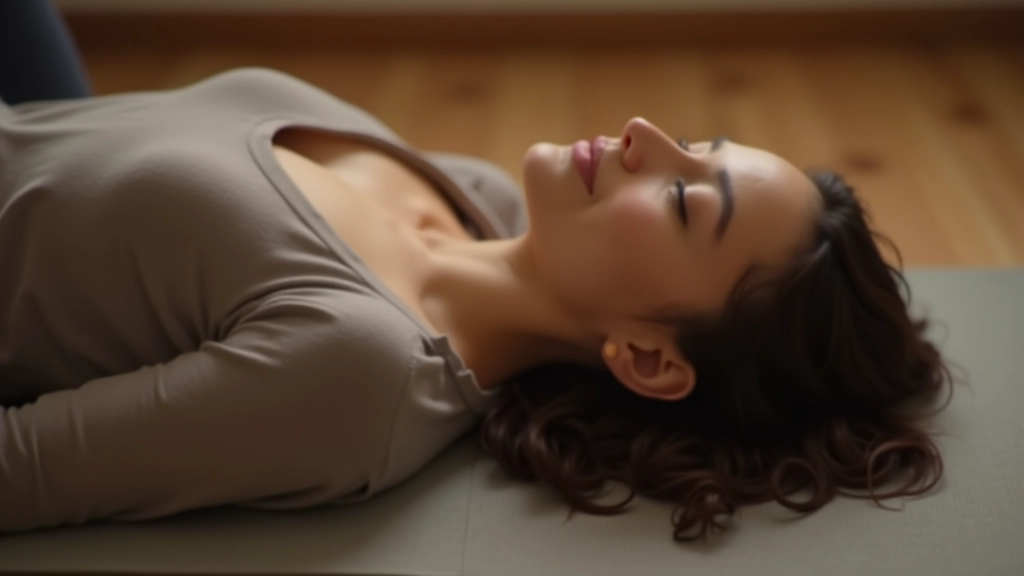

You don’t need 20 minutes of meditation. Sometimes a two-minute pause throughout your day is enough to reset your nervous system. This is something you can actually do at work, between meetings, or whenever you notice stress building.
Stop what you’re doing. Close your eyes if you can (or just soften your gaze). Notice three breaths — just that. Don’t control your breath, don’t count, don’t try to breathe “correctly.” Just notice: in, out. In, out. In, out.
The key is doing this before you’re completely overwhelmed. If you wait until you’re in full panic mode, it’s harder to shift your nervous system. But if you catch stress early with these micro-pauses, you prevent the escalation.
You don’t have to pick one technique and master it. You might use the 5-4-3-2-1 method when you’re at work, box breathing when you’re stuck in traffic, and a body scan at night. The point isn’t perfection — it’s having tools ready when you need them.
Start with whichever one sounds easiest. Try it for a few days. Notice what happens to your stress level, your sleep, your ability to focus. You’ll probably notice changes faster than you expect. Your nervous system responds quickly to these techniques because you’re working with your physiology, not against it.
Stress isn’t something you eliminate. But you can change your relationship with it. And that changes everything.
Want to explore more mindfulness practices?
Browse All WorkshopsThis article is provided for educational and informational purposes only. The mindfulness techniques described here are intended to support general wellness and stress management, not to diagnose, treat, cure, or prevent any medical or psychological condition. If you’re experiencing severe anxiety, panic attacks, depression, or other mental health concerns, please consult with a qualified healthcare professional or therapist. These techniques are complementary tools and should not replace professional medical advice or treatment. Everyone’s situation is unique, and what works for one person may not work for another. Always listen to your body and seek professional guidance if needed.